Learning
What makes a classroom smarter?
Start with what learners can do. Run a small trial and use evidence before expanding across a school.

10 practical guides · browse by category or search
Start with what learners can do. Run a small trial and use evidence before expanding across a school.

Screen size is a starting point. Test real files, seats and devices, then consider the cost of operating the room.

Turn an introduction into a fit assessment with a one-page brief, better questions and an explicit next step.

Choose one problem, remove duplicate work and plan for learners with different access needs.
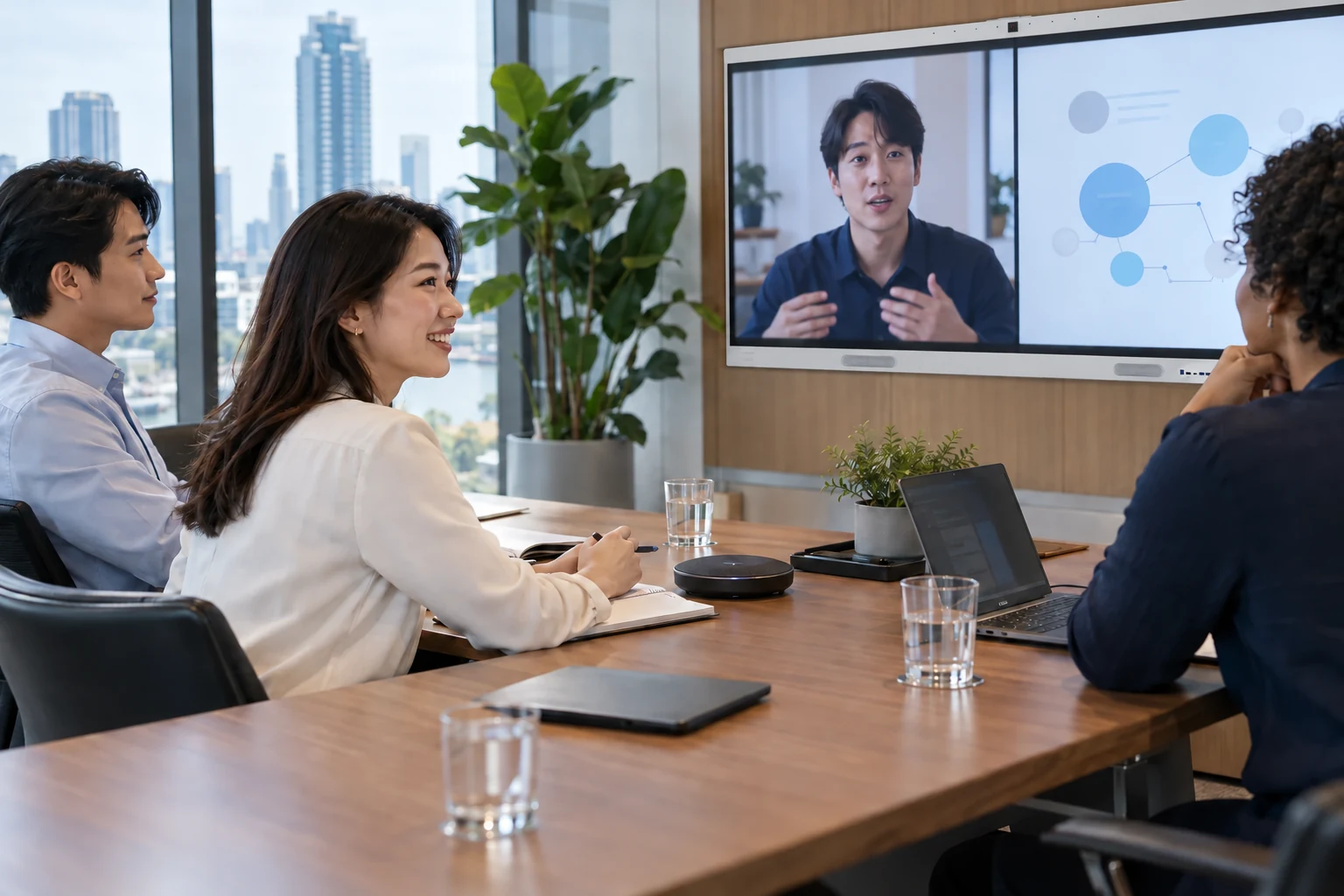
Plan audio, shared content and turn-taking, then capture decisions everyone can act on.

Choose work with an owner, checkable outputs and a fallback. Measure review time as well as generation time.

Start with travellers and operators. Define the data, measures and responsibilities before selecting equipment.
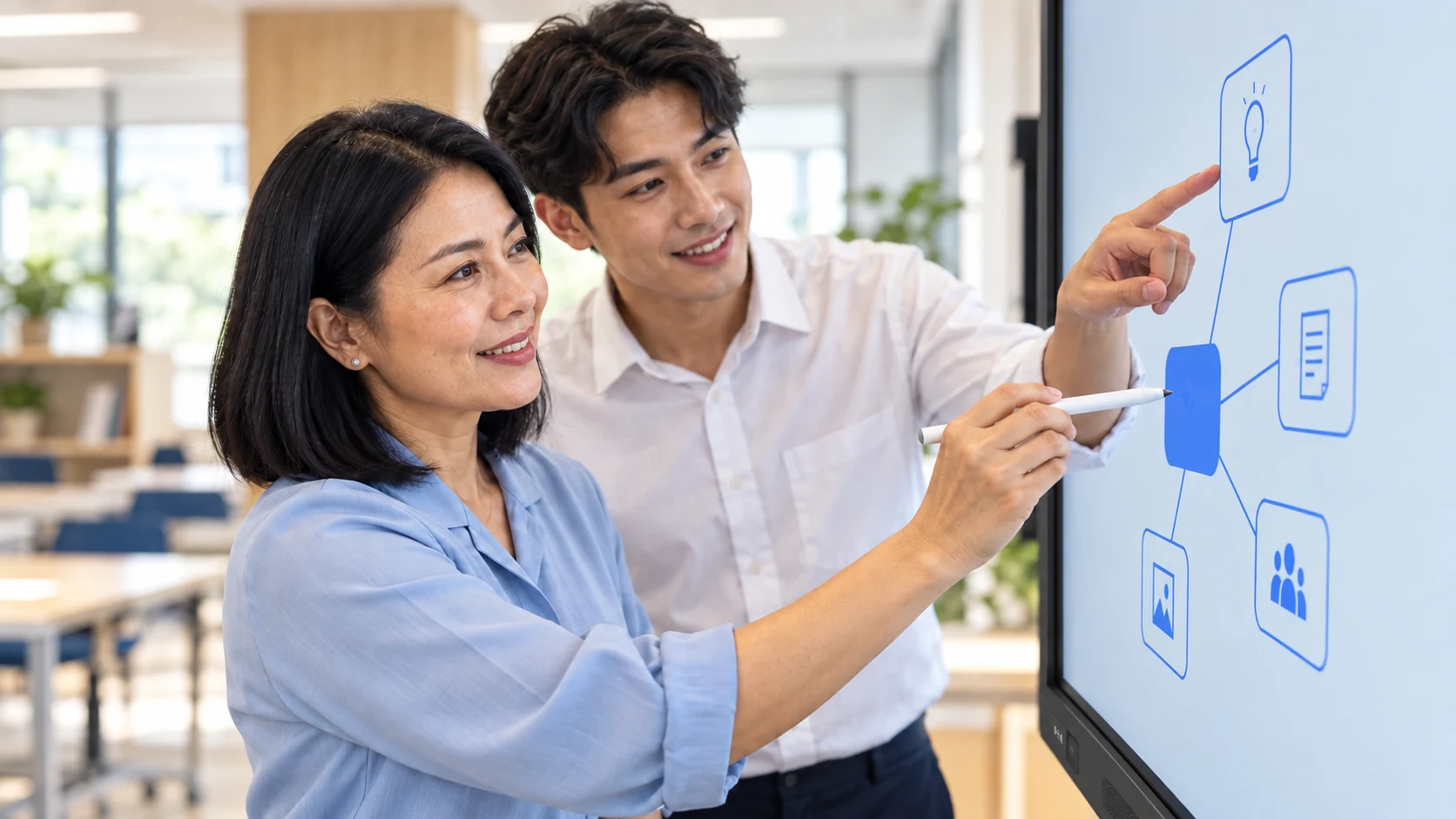
Use a real task, clear criteria and a revision opportunity so training ends with observable capability.

Prepare questions, separate observation from interpretation, and test what fits your own context.
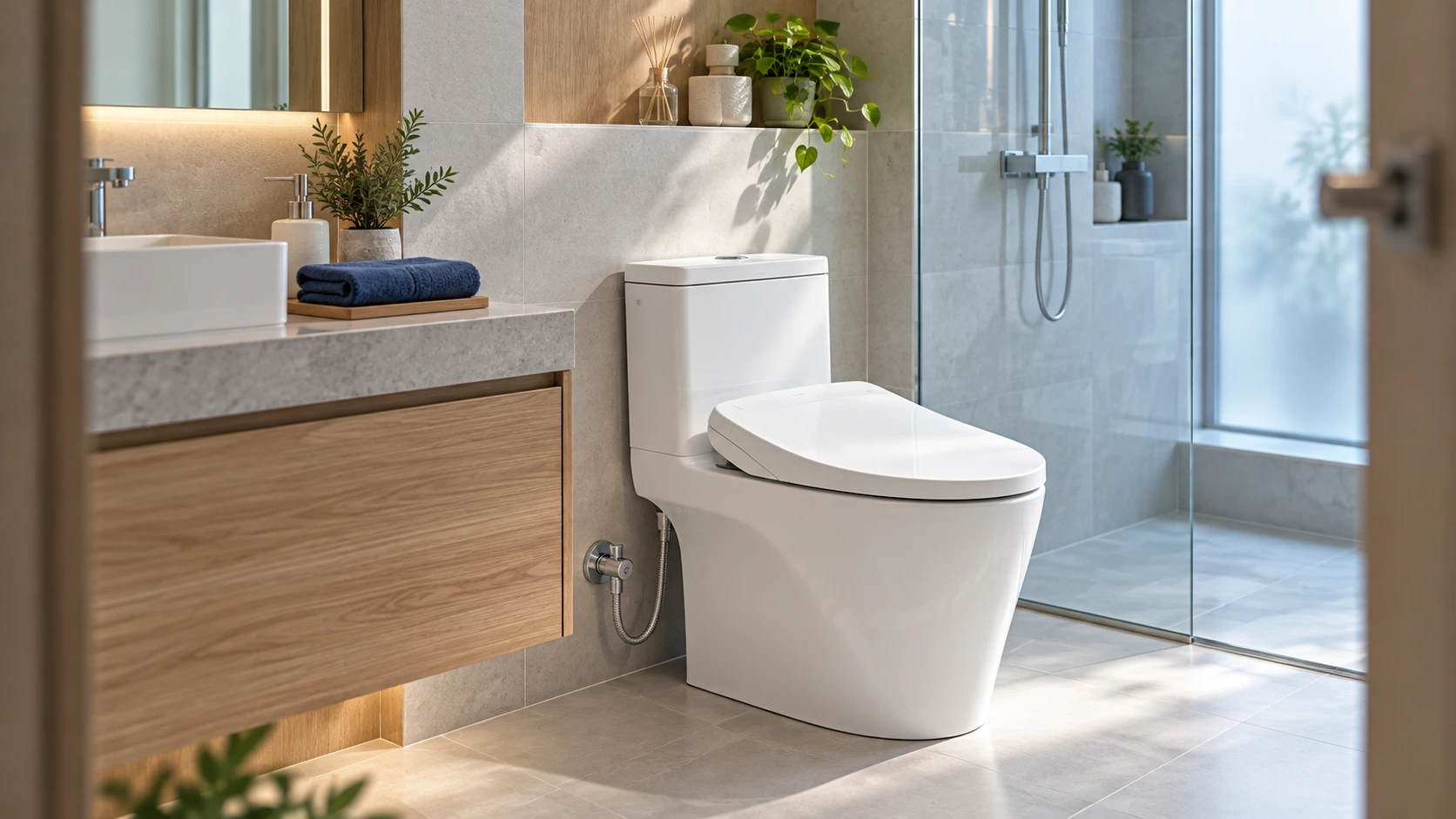
Check the existing toilet, water, power, reach and maintenance so the choice fits everyday use.
Try a shorter search or return to all articles.
Each guide offers practical next steps and sources for further reading. Talk to TIIS about applying an idea to your own setting.
Talk to TIISService scenes are AI-generated illustrations, not records of actual installations or events. The photograph identified as the CEO is the original company photograph.
Download the reference media retained from the previous website. For project facts, follow the original links in the content.