Skip to content
TIIS — TECH INFINITY INTERNATIONAL SOLUTION

Connected information.
For better cities.

Smart Transportation

Intelligent transport
and urban technology

AT A GLANCE

Start with the transport problem to solve

TIIS’s Smart Transportation approach starts with the site, its users and the information needed for decisions. Before choosing equipment or systems, agree on data scope, responsibility and evaluation. Results cannot be promised before the actual requirements have been assessed.

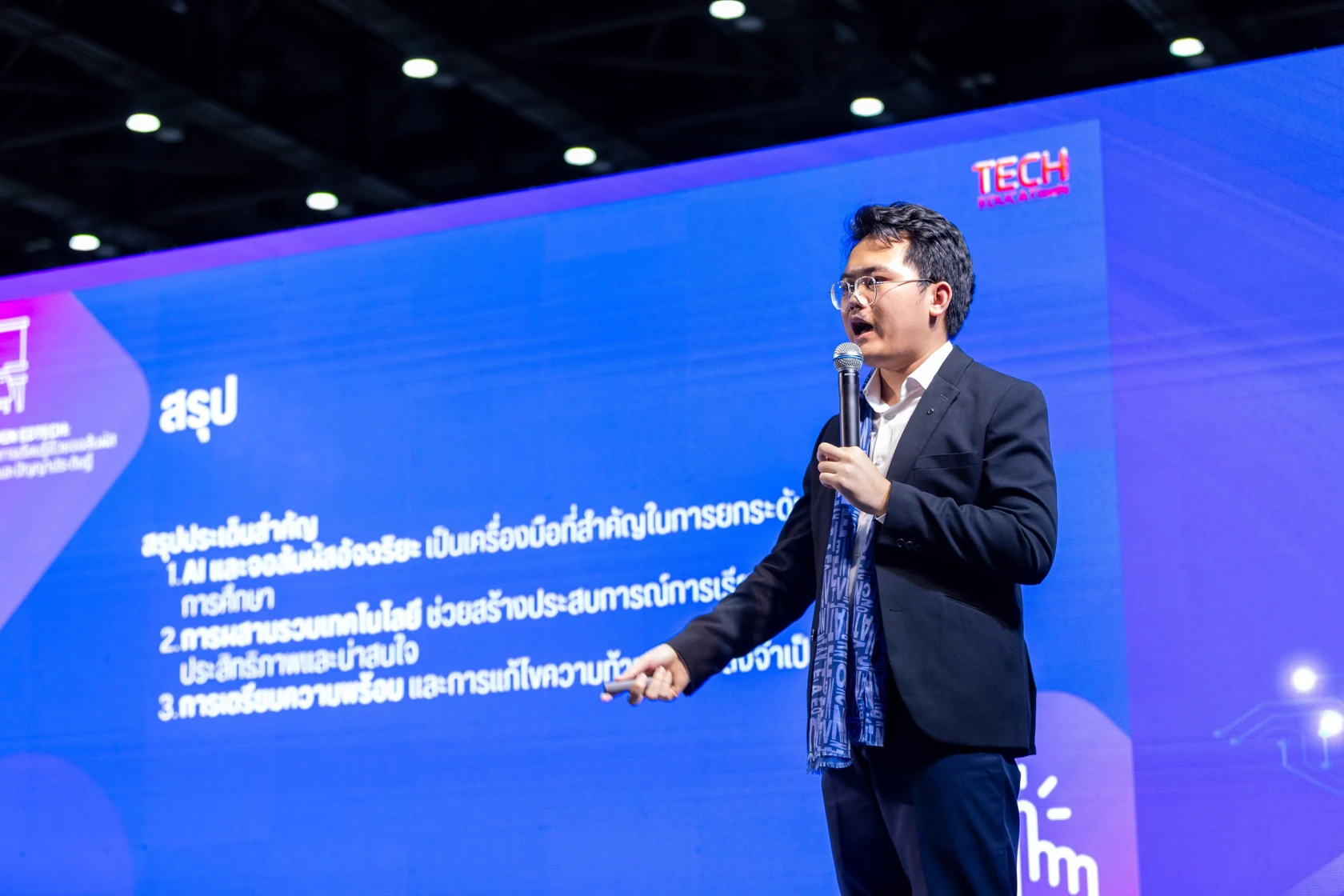
Thanaprad Chantarasena, founder and CEO of TIIS — original company photograph

Smart Transportation & ITS is a TIIS project-development focus for intelligent transportation and traffic systems, shaped with organizations and partners around each location’s context.

Start with what the place needs.

Transportation & traffic

Explore mobility challenges, bottlenecks and the information needed for management.

Information for decisions

Define the information required, who uses it and how existing systems can connect.

Collaborative project development

Explore feasibility, define scope and select the expertise appropriate for the project.

From a conversation
to an assessable approach.

01

Understand

Listen to the goals, users and organisational context.

02

Design

Connect suitable technology, expertise and partners.

03

Deliver together

Agree the scope, responsibilities and deliverables.

04

Review & improve

Review outcomes and identify the next step together.

Technology scope, partners, budget and intended outcomes are defined through project discussions and feasibility assessment.

INTELLIGENT TRANSPORTATION SYSTEMS

Understand the city.
Design around its users.

ITS applies information and communications technology to transportation, helping authorities understand conditions and plan mobility. Initial discussions may cover data collection, situational displays, coordinated response and information for travellers.

Mobility context

Consider travel patterns, bottlenecks, road users, public transport and existing system owners when defining scope.

Data & integration

Discuss available data, update frequency, access responsibilities and how information should be presented to decision-makers.

Outcomes & evaluation

Agree locally relevant indicators, such as travel time, access to information or operational efficiency, with a baseline established before evaluation.

These subjects frame project discussions. Technology, partners, scope and outcomes depend on the assessment of each project.

PRACTICAL INFORMATION

Plan your next step with the details

Browse these sections · 5

Start with the transport problem

Define the location and problem, such as delays, journey reliability, safety or operational visibility, and identify users and operators. This helps distinguish process changes, better use of existing information and a genuine need for additional technology.

Assess readiness before design

  • Identify data owners, quality, update frequency and permitted uses, including personal data and imagery restrictions.
  • Review existing systems, interfaces, networks, power, sites and maintenance responsibilities.
  • Define the baseline and measurement method, including observation windows, collection points and factors that could undermine comparisons.

A project development framework

StageDeliverables to agree
DiscoveryProblem statement, scope, stakeholders, available information and constraints
FeasibilityOptions, lifecycle cost, risks and an evaluation plan
Bounded pilotPilot area, acceptance criteria, rollback plan and an accountable approver
Handover and operationManuals, user training, maintenance plan and evaluation schedule

Responsibilities and timing

The site owner confirms access and operating restrictions; data owners authorise use and access. Developers and partners are responsible for their agreed scope, while operators help define acceptance and ongoing care. A project-specific team and schedule can be determined after feasibility review.

Status and limitations

This page describes a solution-development direction. It does not confirm a deployed system, named partners, budget or measured project performance. Implementation requires a site assessment and a project-specific proposal.

Company solution information ↗

Discuss your requirements

Arrange a conversation
YOUR PRIVACY. YOUR CHOICE.

Choose what works for you. Reading information and asking TINO remain available with either option.

Necessary preferences

Stores your cookie choice and dismissed greetings so we do not ask repeatedly. This does not include conversation content.

On

Analytics & advertising

These tools are not used in this release.

Not used

Your choice is stored for 90 days in this browser. Change it at any time using Cookie settings in the footer.

TINO

Automated information guide · not live staff

Preparing information…