


Participants may enjoy a course and report learning something new, yet return to work without changing how a task is done. Satisfaction answers one question. It does not tell us whether people practised the relevant skill, used feedback or had a chance to apply it afterwards.
This guide proposes a task-based approach to capability development. Its rubric and follow-up examples are hypothetical planning tools, not reported results from a TIIS program.
1. Start with the work you want to see
Replace “understand communication” with something observable: “Write a handover that allows the recipient to identify the goal, completed work and next decision.” The latter helps the organiser choose both the practice task and the evidence of progress.
Select work close to the participant’s role, with information suitable for training. When real files contain confidential or personal information, build a fictional case that preserves the important difficulty. Realism does not require circulating an entire customer file.
Ask for a short first attempt before teaching so the current difficulty becomes visible. Then compare examples showing useful choices and points needing revision. A polished final example alone may not reveal the decisions a learner must make along the way.
2. Give the activity a thinking task
Movement and group work do not, by themselves, identify what is being learned. Ask participants to choose, explain, compare or revise for a reason. Cornell’s active-learning guidance includes thinking individually before discussing with a partner and building concept maps. [1] Such approaches can be adapted with or without digital equipment.
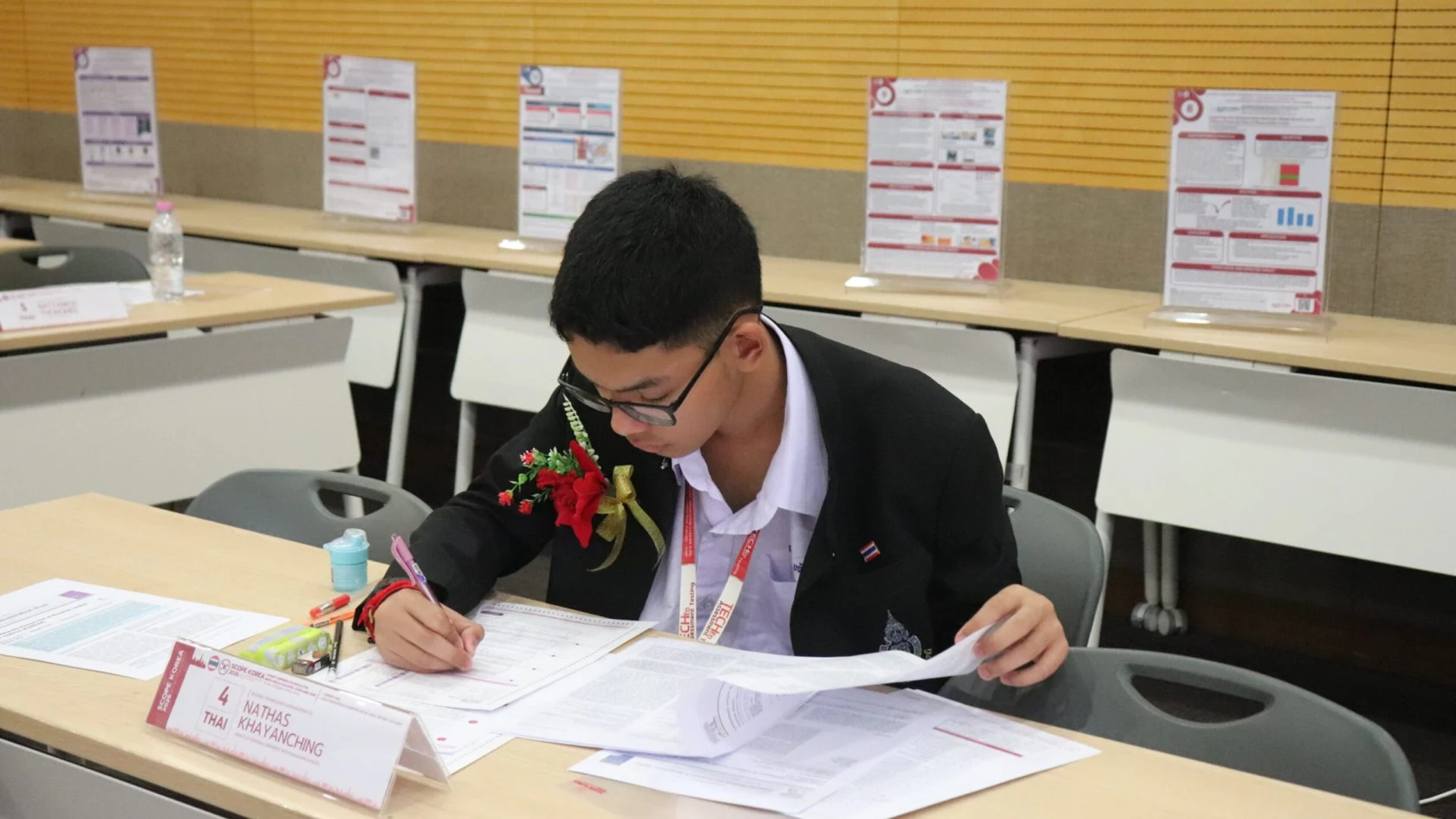
For a handover task, each participant can draft a message, then exchange roles with a colleague acting as its recipient. The recipient explains what they can do next and what still needs clarification. The writer revises the message using that response. This makes the consequences of unclear information visible.
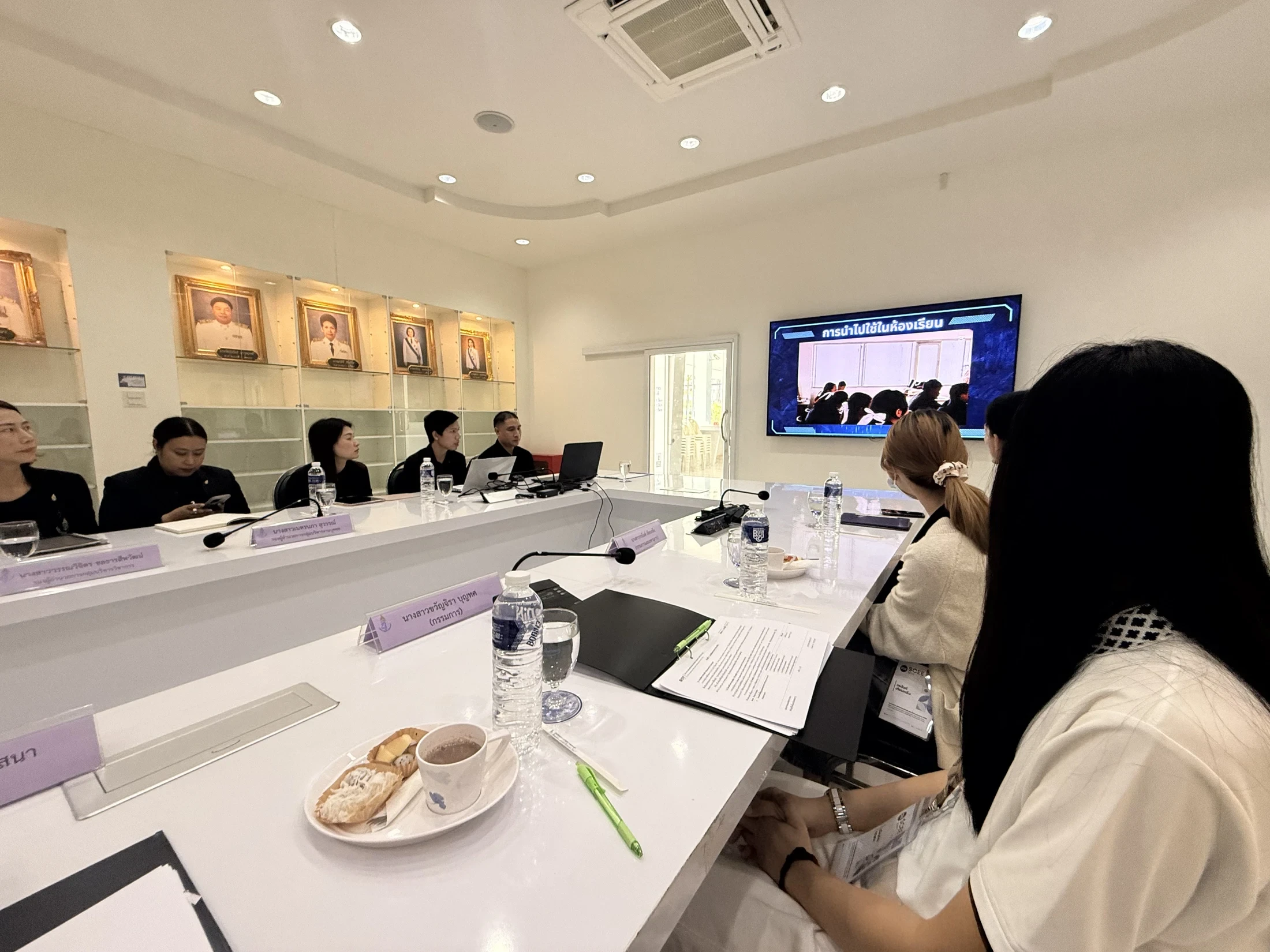
In a room using TIIS BOARD, suitably anonymised examples can be compared on the display. Participants identify which sentences support a decision and save the revision. The display’s role is to make shared thinking easier to inspect.

A revised piece of work often tells us more than a certificate photograph.TIIS Insights
3. Make the criteria useful for revision
“Excellent” and “needs improvement” do not tell someone what to change. Use a few criteria linked to the task and discuss a common example so reviewers have a reasonably shared interpretation.
| Handover criterion | A problem to address | Intended performance |
|---|---|---|
| Purpose | The recipient cannot tell why the task matters | State the desired outcome and relevant constraints |
| Status | Completed and outstanding work are mixed together | Distinguish completed work, pending items and unknowns |
| Next step | The message merely says “please proceed” | Identify the action, owner and decision required |
| Evidence | A claim points to an unavailable document | Provide a reference the recipient can access |
This example concerns handover communication. Adapt it to the real work and level of responsibility before using it; it is not a universal rubric for professional competence.
4. Leave time to revise and return to the skill
Feedback delivered after the final session may never be tried. Plan a first attempt, a specific response and a revised version. Ask the learner to explain briefly what changed and why, giving the facilitator a view of the reasoning as well as the finished work.
The IES practice guide recommends spreading learning over time and retrieving knowledge through practice. [2] A workplace adaptation might use a short task in a new context the following week, attempted before reopening the example. Set the follow-up around when the skill is realistically used.


5. Involve the manager in making application possible
Useful training may still have nowhere to go if normal duties do not offer practice or an existing process requires a different approach. Before the course, ask the manager which task the participant can try, who will give feedback and when revision can happen.
Afterwards, inspect three things: performance in the training task, performance in real work, and the conditions helping or obstructing transfer. Avoid attributing every subsequent business improvement to the course when other conditions may have changed too.
For a team-development discussion, bring example work, desired outcomes and time constraints to the developing K-XCEL Professional framework or EICD Office, and confirm current program availability. Agreeing the output and follow-up approach helps the discussion become more specific than a comparison of teaching hours.
Before the next course is finalised
Ask what you want a piece of work to look like one week after the course, then design backwards to the practice, instruction and tools needed to get there.
References and further reading
Use these primary sources to check the supporting information. Examples, tables and trial plans in this article are editorial proposals.
- Cornell University, Center for Teaching InnovationGetting Started with Active Learning Techniques ↗
Examples of individual thinking, peer discussion and explanation.
- Institute of Education Sciences / What Works ClearinghouseOrganizing Instruction and Study to Improve Student Learning (2007) ↗
Spacing practice over time and retrieving knowledge from memory.
Discuss capability development around your team’s work
Start with the service information, then discuss a scope suited to your setting, users and goals.
Explore the related service